On the second Monday of October, every year, a federal holiday is highlighted by the division. One is officially known as Christopher Columbus Day, commemorating the discoverer of America and celebrating Italian American pride. However, in recent years this day is Indigenous Peoples Day. A time to reflect on the cultures and tragic histories of the Native peoples.
The disdain of Columbus for Natives was the fact that his arrival directly led to mass enslavement and massacre of the native Taino people, which resulted in the devastating decline of indigenous populations from violence and European diseases.
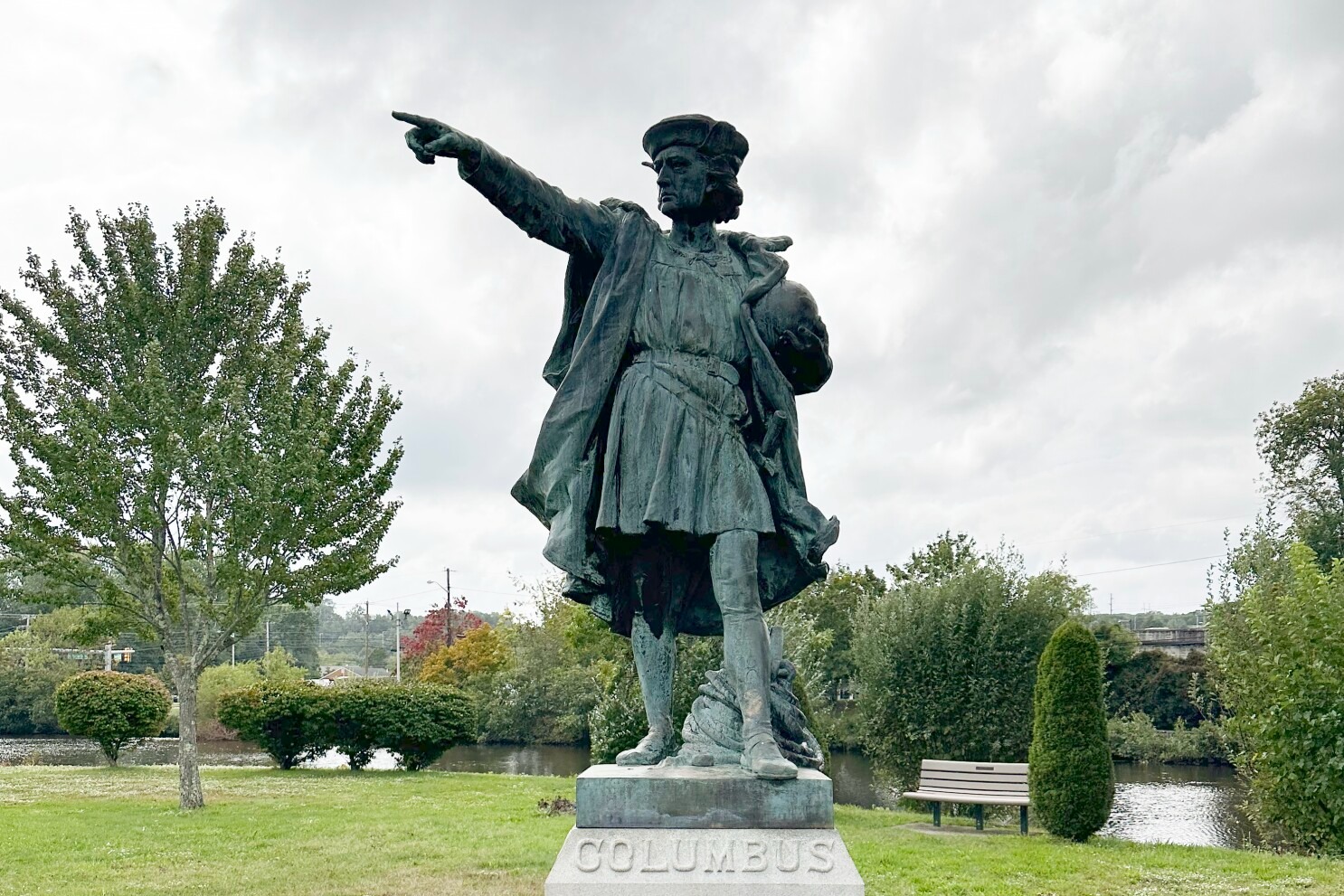
The earliest celebration of Columbus Day was the year 1792, which took place in Tammany Hall. The original purpose was to celebrate the landing of Christopher Columbus 300 years prior. The Tammany Hall used Columbus as a symbol for immigrants, especially Italians, against hate movements. They used Columbus’s legacy as a weapon against the racist nativist movements. For them, celebrating him was an act of cultural defiance.
The push for federal recognition gained momentum in the late 19th century. In 1892, following the lynching of 11 Italian immigrants in New Orleans, which was one of the biggest mass lynchings in American history. Benjamin Harrison, the 23rd President of the United States, established Columbus Day to honor Italian Americans and ease relations with Italy.
In 1937, after intense pressure from other Catholic and Italian-American groups, President Franklin D. Roosevelt made Columbus Day a federal holiday.
For Native communities, however, the celebration of the man who opened the door to colonization and violence was a continued source of pain. On NPR, Shannon Speed a citizen of the Chickasaw Nation and director of the UCLA American Indian Studies Center,
says, “That’s incredibly painful. It creates an ongoing harm. And so we can’t have a national holiday that creates an ongoing harm for a significant portion of our citizens.”
The counter movement began in 1977 at a UN conference on discrimination against indigenous people. They proposed an ‘International Day of Solidarity with the Indigenous Peoples of the Americas’ to be celebrated as well as Columbus Day.
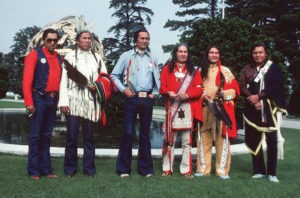
This became reality in 1990, when South Dakota, a state with a large Native population, became the first to officially rename the holiday ‘Native American Day.’ The city of Berkeley, California followed two years later becoming the first city to adopt ‘Indigenous Peoples’ Day’.
The movement has changed dramatically. Today, many states and more than 100+ local governments have chosen to observe Indigenous Peoples Day, alongside or in replacement of Columbus Day. In 2021, 46th President Joe Biden issued the first-ever presidential proclamation of Indigenous Peoples Day, a step that acknowledged the holiday at the federal level without officially replacing Columbus Day.
For many, the second Monday in October remains a celebration of heritage. For others, it is a day of mourning and long overdue change. The battle over this single date on the calendar shows a struggle over who gets to tell the story of America.