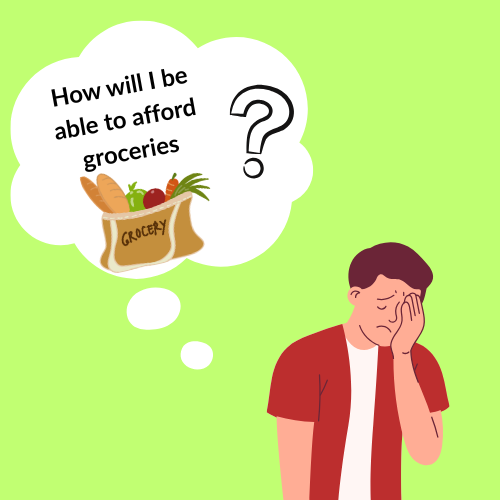
The government shutdown created a crisis for the Supplemental Nutrition Assistance Program (SNAP), the nation’s most vital food assistance program. Serving over 41 million low-income Americans, SNAP provides essential monthly benefits to buy groceries. However, the funding lapse meant the government could not disburse November benefits on time, plunging millions of families into uncertainty.
Associated Press narrates, Lee Harris, a father relying on the program, expressed the anxiety felt by many: “Not knowing a definite end… I don’t know how much I need to stretch what I have.”
The situation resulted in a chaotic and inconsistent response across the country, Minnesota Public Radio says: “The head of Minnesota’s Department of Children, Youth and Families said SNAP recipients in the state can expect to receive partial benefits this month.” While some states managed to issue full or partial benefits, others could not, leading to legal battles that reached the Supreme Court.
Although the government has now reopened, the resumption of benefits will not be instantaneous. Logistical challenges are expected to cause delays, and the funding agreement is only a temporary solution. The broader political debate over spending and the social safety net is set to resume, leaving the long-term stability of SNAP subject to ongoing negotiation.