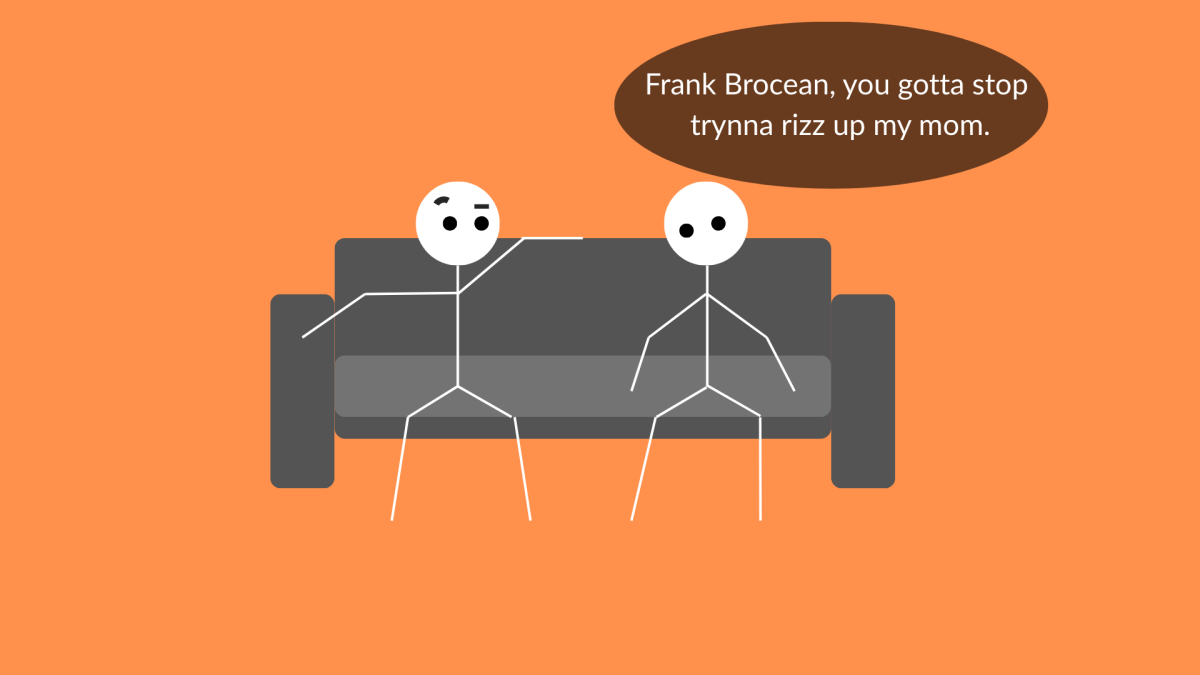
Every once in a while, maybe in a month, in a week or even a day, a new term is created. A term special to a friend group or someone in a family. Coming and going like trends – some leave soon, some are here to stay. Some examples are: “Lowkey”, “aura”, “brotein shake”, “peak”, “rizz” or “Am I mutted?.”
Oftentimes, lingo is used to describe a special and personal language. Other times, it’s an inside joke between a group. It’s an informal and non-standard way of talking that is sometimes shortened. This shortening can create problems however, for example, “Hb”, which means “homeboy” and is often mistaken for “husband.”
The easiest way to determine if something is new lingo is by saying it in front of someone not your age and seeing if they understand it. This is where the confusing part comes into play. Is it helpful for communication, or hurtful?
In some ways, new words and phrases can help communication. OHS Senior Zeanik Sandoval Ritchie said, “It can help, allowing us to build personal bonds. You can also learn who a person is from it.” The way someone speaks often reciprocates their personality and overall just makes it easier to bond by creating a certain sense of comfort. Not to mention it keeps conversations fun, unique and expressive, which can help get ideas across to others quickly.
However, it may come with some cons as well. OHS Junior Sophie Grams said, “It can be very annoying for the people who don’t understand it.” Considering how fast slang can change, new lingo can be confusing and create a lack of communication and misunderstanding. With the repetitive use of slang, there may be a decrease of formal talking with young people.
The influence of social media on new lingo is unmatchable. TikTok and Instagram help spread creativity and uniqueness through words and phrases, somehow making communication – always – in a way fun. This is more often than not, exactly where these terms are produced and grown.
There are often common themes, certain words taking the place of others. OHS English teacher, Ms. Tratz, mentioned, “Lingo for ‘cool’ and ‘good’ has changed year to year.”
Words continue to evolve. It’s only natural for these terms to form and create emotion in communication. OHS English teacher, Mr. Eitrheim said, “It’s part of the human condition, something that has always been done and will continue to happen.” So whether new lingo benefits or hurts, in the end, it is inevitable and will continue to shape today’s communication.