


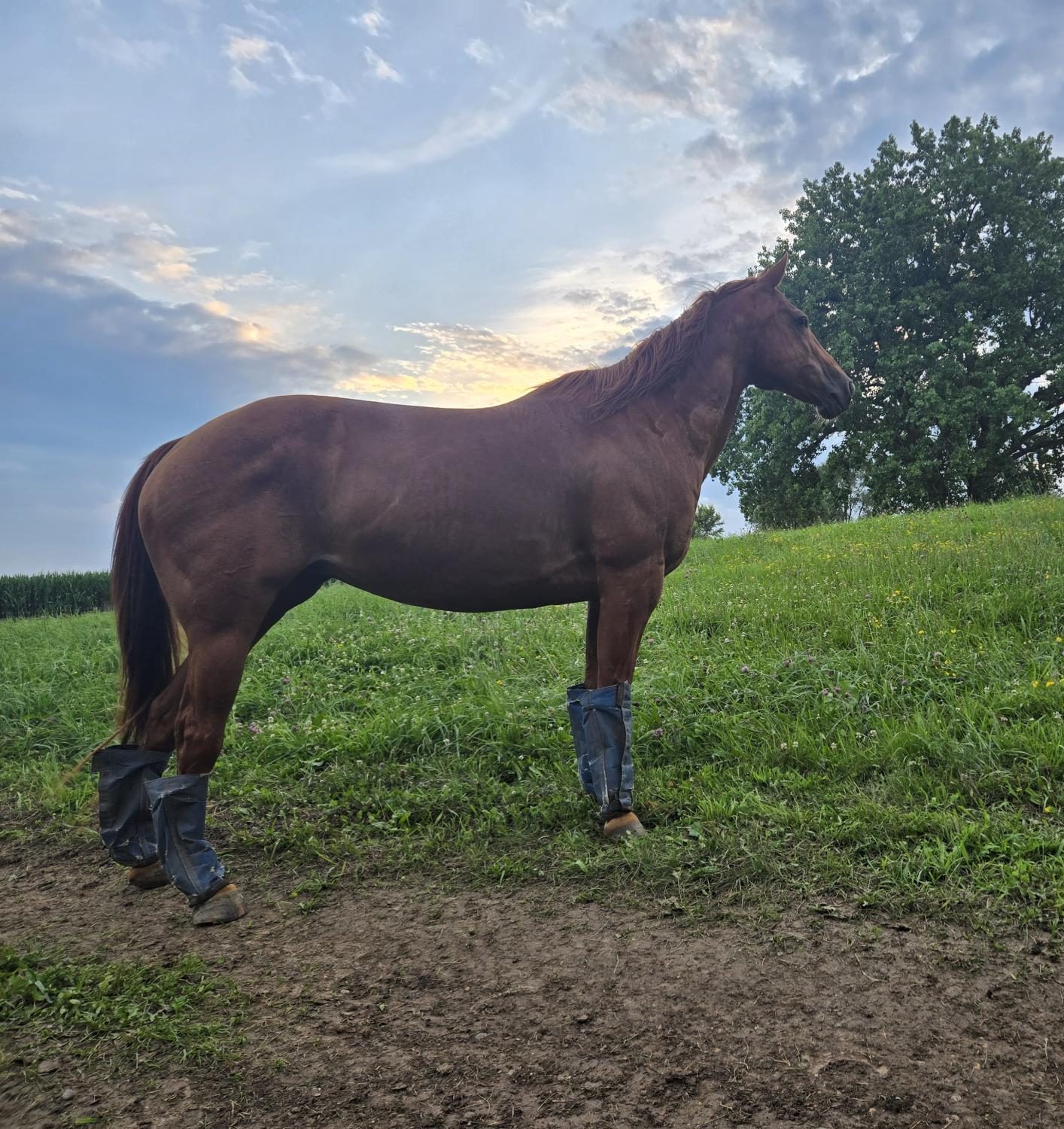
The EHV-1 outbreak, also known as Equine Herpesvirus Type one, is a very highly contagious virus in horses, causing respiratory illness, abortions,
foal death, and a severe neurological condition called Equine Herpesvirus Myeloencephalopathy (EHM). It can spread easily through sweat, shared equipment, or even contaminated environments. Even if a horse has recovered from the disease, it can still become a carrier and transmit the virus later on.
EHV was mainly traced to the World Championship Barrel Racing Finals near Waco, Texas, in Nov. 2025. It has since been working its way across the states. Every state in the United States has had a confirmed case except for Idaho, Georgia, Alabama, California, and Missouri, as of the end of 2025.
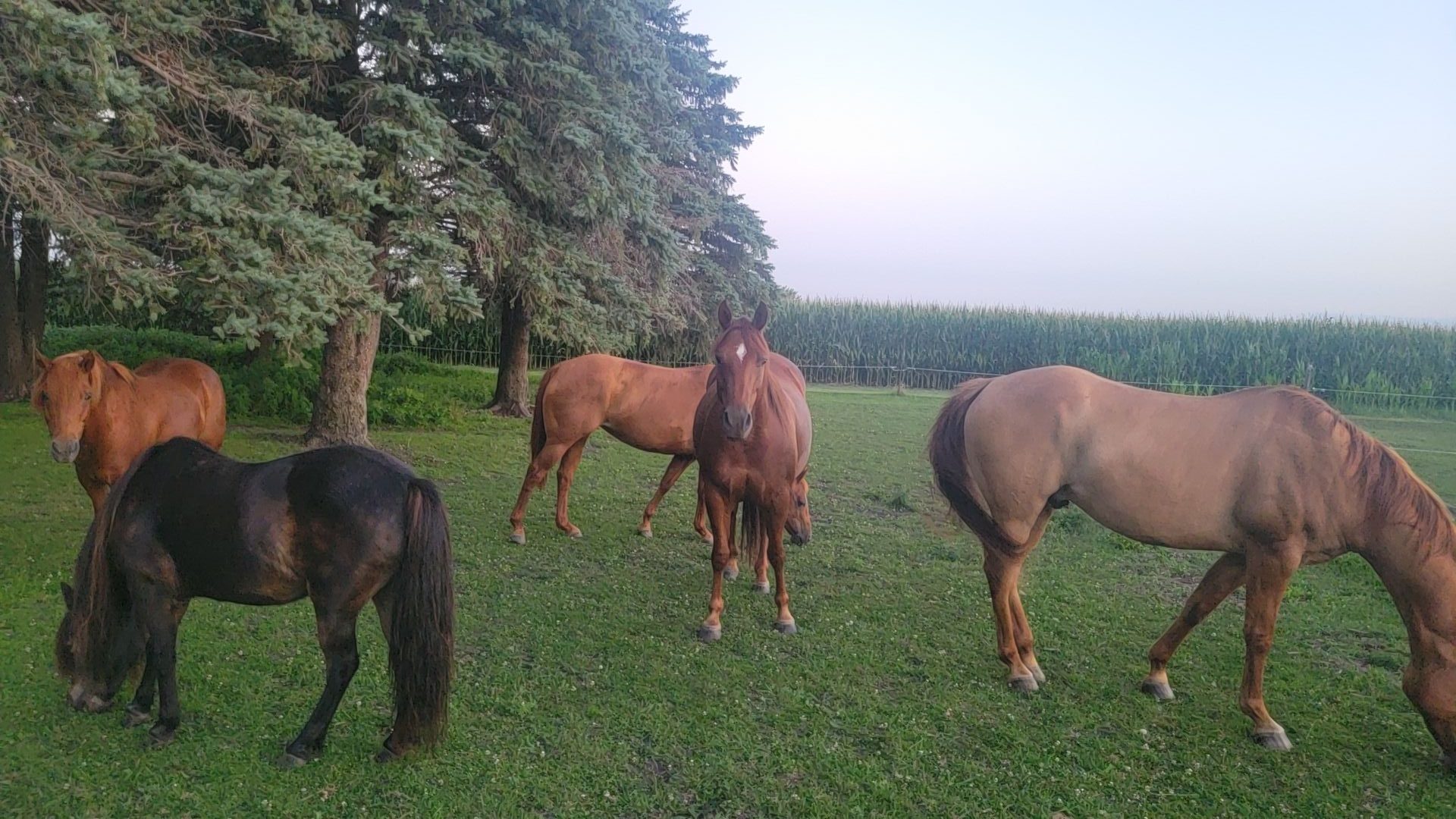
The disease can be tested in horses using PCR (Polymerase Chain Reaction) on nasal swabs and whole blood. A positive PCR on a nasal swab means the horse is actively shedding the virus. Even with a negative test, that doesn’t mean the need to quarantine isn’t needed. If testing, the best way to collect a sample is to use EDTA tubes for blood and sterile, leak-proof containers for moist nasal swabs, which could be with saline. Shipping the sample overnight to a diagnostics lab is the best option, but do avoid using USPS for transportation.
When is the best time to test? It’s best to test if a horse is showing symptoms such as fever, cough, and neurological signs. It is also safe to test post-exposures and during outbreaks, “Testing symptomatic horses and potentially retesting negative horses 24-72 hours later is vital”, says the AAEP, American Association of Equine Practitioners.
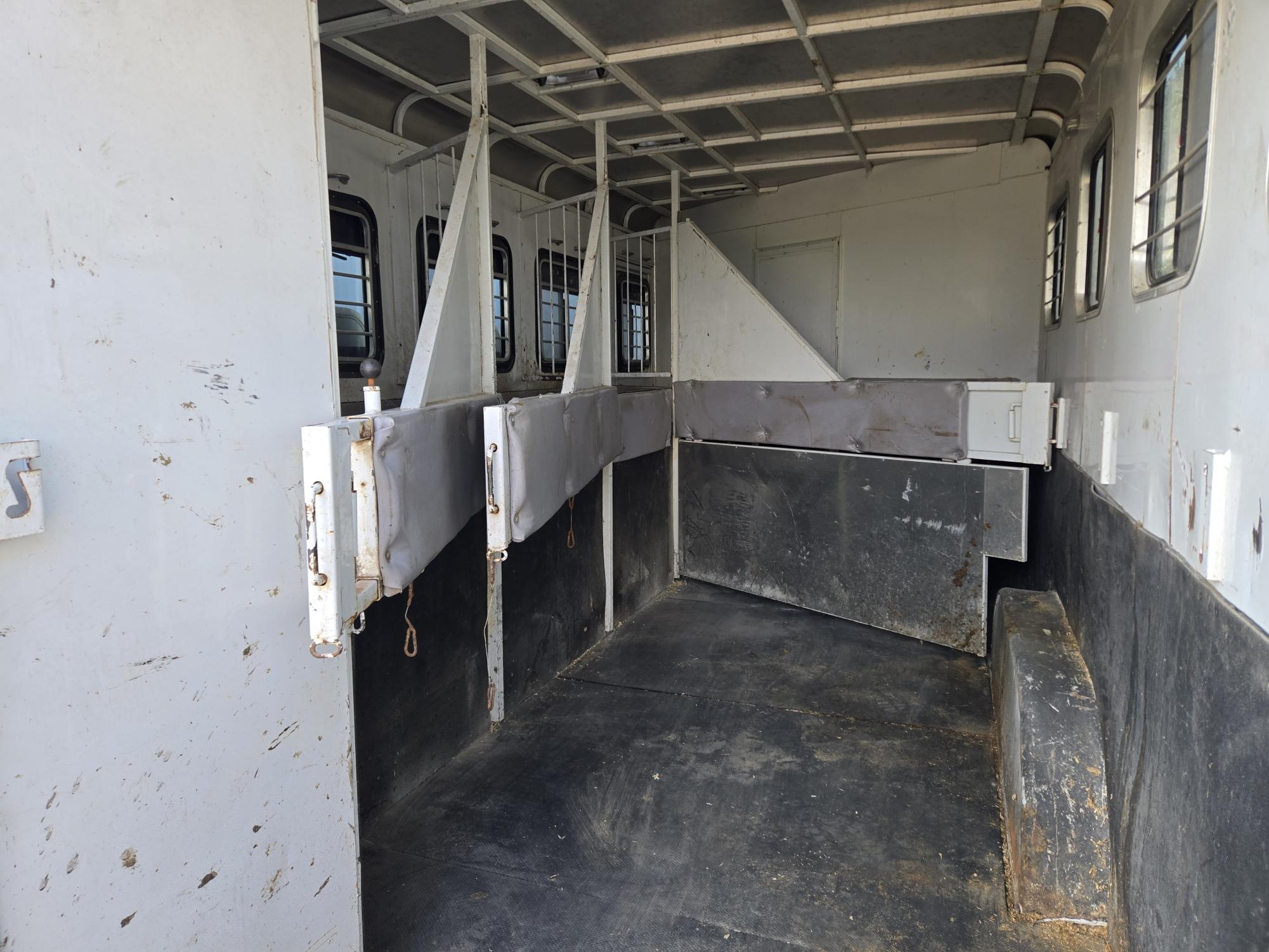
To prevent the spread of EHV-1, it is best to avoid traveling to shows and clinics. Keep horses away from horses they do not pasture with. With the disease being able to travel through shared equipment, try not to share equipment, trailers, or hitching posts. If there is a need to share, use precautions of sanitizing and deep cleaning all items or even places before introducing another horse to them.