Depression in teens is on the rise, increasing by 63%. In recent years, according to this article by BYU. Depression is rarely talked about in everyday conversation, potentially making people suffering feel isolated.
There’s a common unspoken expectation about everyone’s teen years – that it should be smooth and carefree, a time to look back on and see nothing but nostalgia. But instead of freedom, many students would rather describe it as “messy” – including OHS senior Grace Lu – or just feeling pressure in general. Exhaustion often fills the spot of excitement.
Waking up at 7 am, sometimes running on less than 7 hours of sleep and a well-flavored energy drink, repeating day after day, nothing changing, even the slightest. Even sometimes waking up with a rather fair amount of sleep, only to question, “Why am I still tired?” Waiting all day for the afternoon, all week for the weekend, the whole school year for summer.
It’s normal for people, especially teens, to have bad days or simply not feel like doing anything. Being a teenager comes with changes in multiple aspects of life. Friend groups change, bodies and minds grow, school and sports get harder. For some people, though, it’s more than just having a bad day.
What does depression look like?
Depression and moodiness can often look similar, and it might be difficult to tell the difference. Every teen is sad or has a bad day at some point in time, and it might seem like someone is just having one of those moments, but it’s important to understand when it’s depression.

Social worker Casie DeVos said, “Moodiness is when your feelings change because of something that happened, and it usually passes pretty quickly. Depression is when sad, empty, or ‘numb’ feelings stick around for weeks and start to make everyday life, like school, friends, or activities feel really hard.”
Some people who don’t look like they’re suffering might actually have an internal battle every day. An article by Mental Health America includes some alarming statistics. According to the article, surveys show that as many as one in five teens suffer from clinical depression. Also, 78% of people aged 11 to 17 who took the organization’s depression screen scored positive for moderate to severe depression.
Added pressure from schoolwork can also put too much on the person’s plate. Sophomore Joash Packard said, “Life is stressful as it is, and when you have more things to worry about with deadlines and all that, it can pile up pretty fast.” Extracurriculars like sports or clubs can either help or hurt, depending on the person. With good people around, like teammates or other club members, it can actually help bring people more happiness. Packard commented on his extracurricular activities and how they impact him, “What I’m in is Carolers and basketball, and those impact my mental health positively, I would say, because they can help give me a distraction from what else is going on, and just get my mind off things.”
How to prevent depression?
The best way to prevent depression, put simply, is to do things that make you happy. While that may be easier said than done, it could start with simple things.
DeVos noted how to be happier, whether depressed or not, “Spending time with people who make you feel comfortable, getting outside for fresh air or a short walk, and moving your body in a way you enjoy can all boost your mood. Doing small things that give you a sense of accomplishment, like cleaning your space, finishing a task, or trying a hobby, also helps build positive energy.”
Devos states again, “Taking breaks from screens, listening to music, practicing gratitude, or doing something kind for someone else are simple ways to feel a little happier day to day. Most importantly, it’s about finding the little things that help you feel more like yourself.”
It’s also important to use social media positively. This generation of high schoolers and those to come will always have to deal with social media and the effects of it. Social media can be used to help or hurt someone’s mental health, depending on how it’s utilized. DeVos said, “Social media can have both positive and negative effects on teen mental health. It helps teens stay connected and find supportive communities, but it can also lead to constant comparison, pressure to get likes and look a certain way, and feeling left out when they see others’ highlight reels.”
How can OHS help support you to get out of harsh conditions?
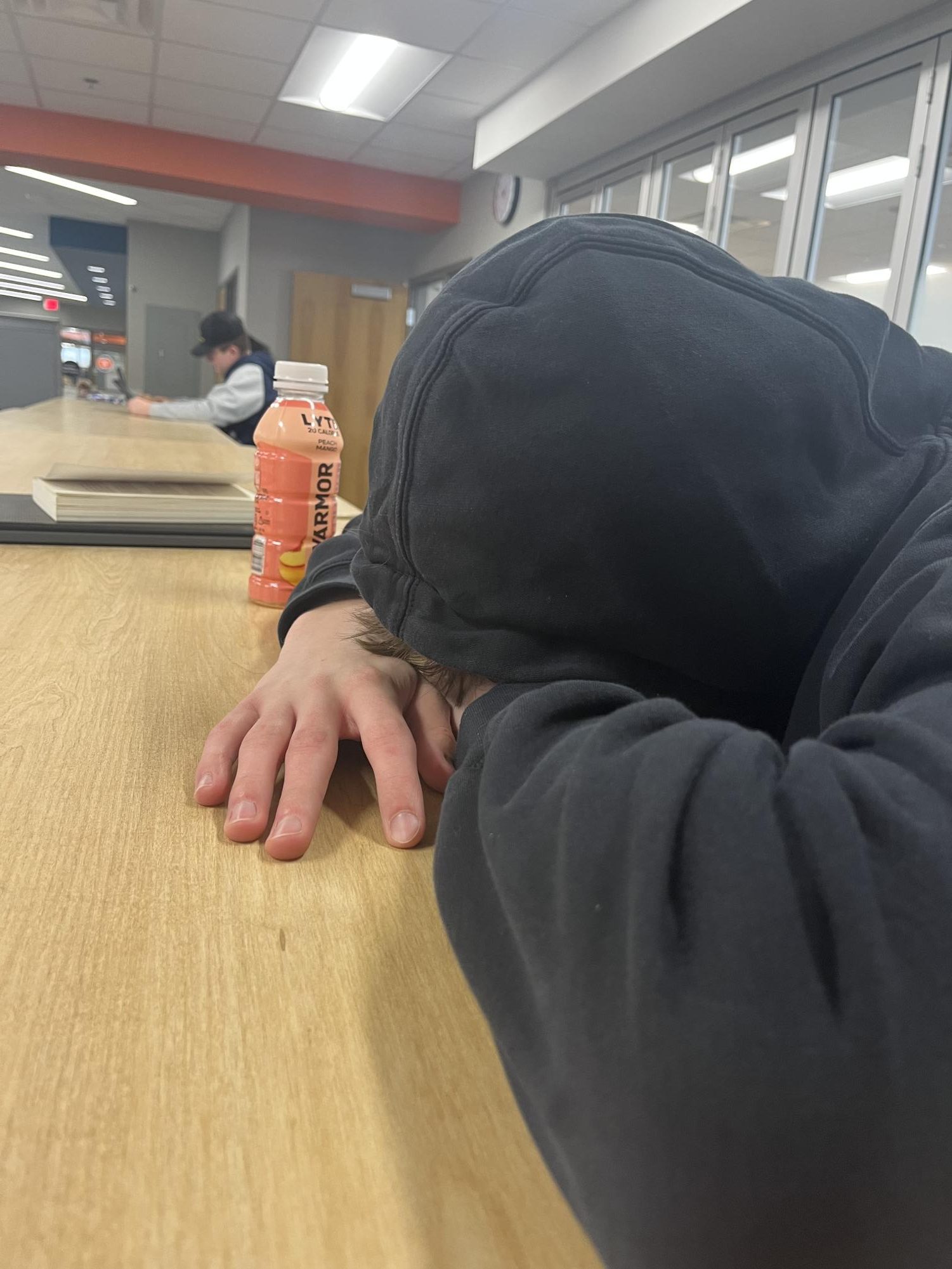
When depressed, people might feel like they’re stuck or that it will never get better, but there are steps that they can take to make a difference in their mental health. DeVos talked about a few of the things to do, “Talking to a trusted adult, friend, or a mental health professional is one of the most important first moves because they don’t have to handle it alone. Building simple daily habits such as getting enough sleep, moving their body a little, eating regularly, and staying connected to at least one person can help improve mood gradually.”
Something easy that someone with depression could do is to find something they truly love and aspire to get better at. That way, people can not only grow in that hobby or habit but grow as a person and find true meaning in everyday life, something to look forward to, something to push for, something to live for.
It’s important to note that if someone is going through depression, it isn’t necessarily going to last forever. Even when there isn’t a lot of hope, many people are still able to break free, really feel like themself again, and come back even stronger than before. It’s also important to realize that feeling down is completely normal.
Put in perspective by OHS senior Ayoub Farah, “Sometimes I lose meaning or sometimes I feel as though I don’t know what direction I’m taking, but then usually what happens is, it all comes together at the end of either a season or a class or a semester where it kind of just all clicks and I understand why I chose to do this particular activity or event. Obviously, there are times that it feels meaningless, but it gets better with time.”
Takeaways from teen depression
Everyone looks and acts very differently based on who we are around; everyone is still learning and growing. The thing that keeps the entirety of teens close together isn’t the lack of maturity, or the use of slang, or the amount of video games played, but rather those long sleepless nights, that one insecurity, the unconscious scrolling of social media, and somewhere, no matter how strong or pretty or smart, there’s an empty corner in everyone’s heart, and every once in a while, it can be felt. And in the end, it’s perfectly normal to feel that corner. What matters is what people do about it.
Looking out to the ocean, the only thing noticeable is the waves, lack of visibility, and knowledge, and everything else, so much so that you forget everybody you know is on the same boat. In the same way, a lot of people are going through something. No one has to be alone.
Sometimes it might seem impossible to get out of depression, but it is possible. OHS has great resources and people to talk to, such as the social workers or counselors. People doing their favorite things, even if it’s as simple as watching a favorite movie with popcorn or hanging out with friends or family, anything to take those little steps to, like DeVos said, “feel like yourself”, and just simply be a little happier every day, makes a world of difference.