
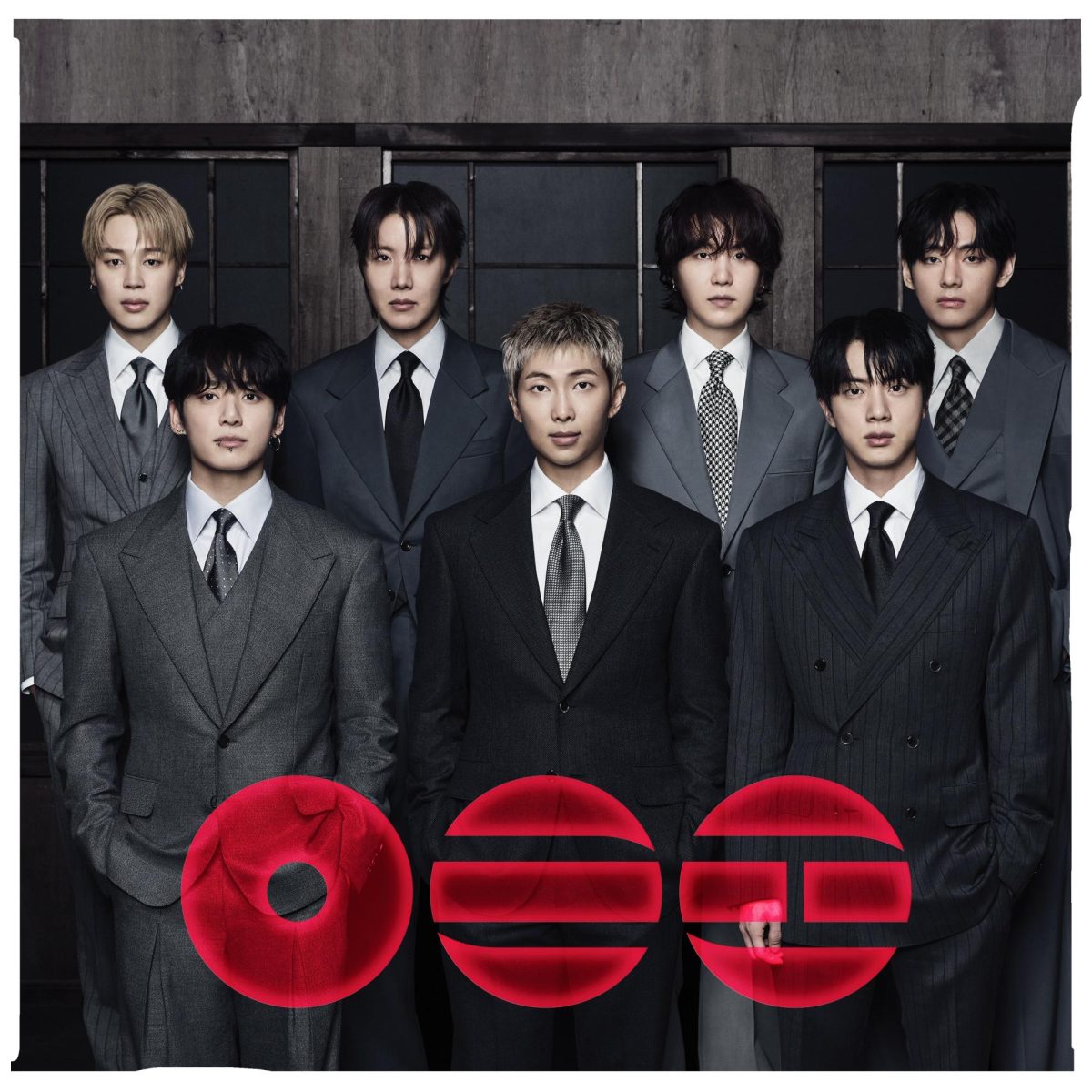
BTS’s long-awaited return with the album Arirang was designed to be a moment of cultural coronation. The free concert at Seoul’s historic Gwanghwamun Square on March 21, 2026, streamed globally on Netflix, marked the group’s first performance together in nearly four years, following the completion of all seven members military service. CNN states that South Korean President Lee Jae Myung described the event as “an important opportunity to demonstrate the excellence of K-culture and the high standing of South Korea to the world.” Yet beneath the surface of this planned spectacle lies a messy debate about logistics, artistic direction, and the true cost of such a massive endeavor.
While the concert featured stunning traditional aesthetics and drew widespread enthusiasm, the execution sparked significant backlash. Seoul authorities anticipated a turnout of up to 260,000 people, prompting the city to treat the entire surrounding downtown area as a single event zone, with subway disruptions, bus detours, and building closures. However, according to The Korea Times, real-time city data released by the Seoul Metropolitan Government placed actual attendance at around 40,000 to 42,000 people far below projections leading critics to question whether the scale of preparation was “disproportionate.”
Several wedding couples near the concert venue faced disruptions and financial losses due to tight security measures, with one resident noting that “someone had to transport their guests using police buses for their once-in-a-lifetime wedding” according to Outlook India. While the event’s smooth finish was widely praised as a safety success, the broad access restrictions generated debate, with some asking, “Why are they checking everyone who isn’t even attending the concert?” commented The Korea Herald.
The album also divided opinion. Though Arirang incorporates elements of Korean culture, more of its lyrics are in English than Korean, launching debates about what makes a K-pop release Korean enough. A Pitchfork reviewer called the record “pointless” and “passionless,” giving it a 5.3 out of 10, while outlets like Rolling Stone and the Guardian responded more positively, showing how deeply critics were divided.
Despite the controversies, Arirang achieved 110 million streams in a single day, the highest of any album in 2026 so far and became “the best-selling album of 2026 globally on its first day of release” according to Free Press Journal.