Skip to Content
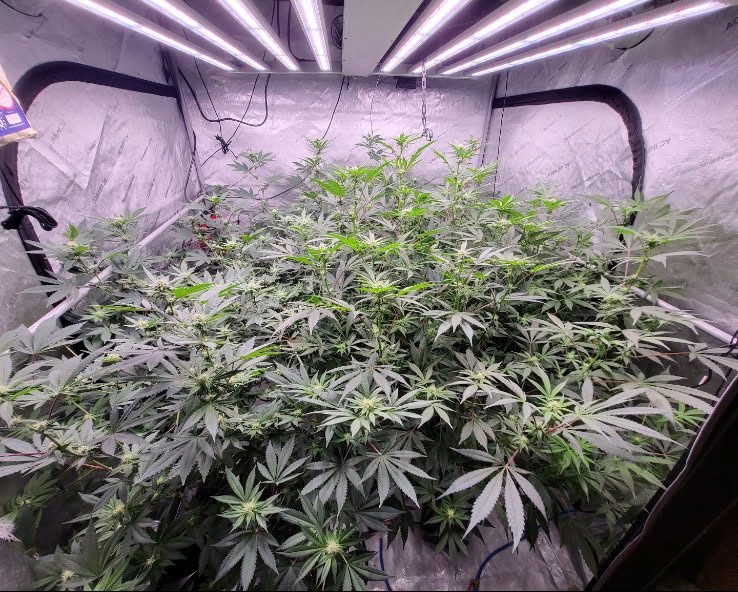
An image showing a garden of cannabis plants being grown. (Sent from Anonymous source.)
Categories:

High in High School: Reasons behind the addiction

Drugs in school

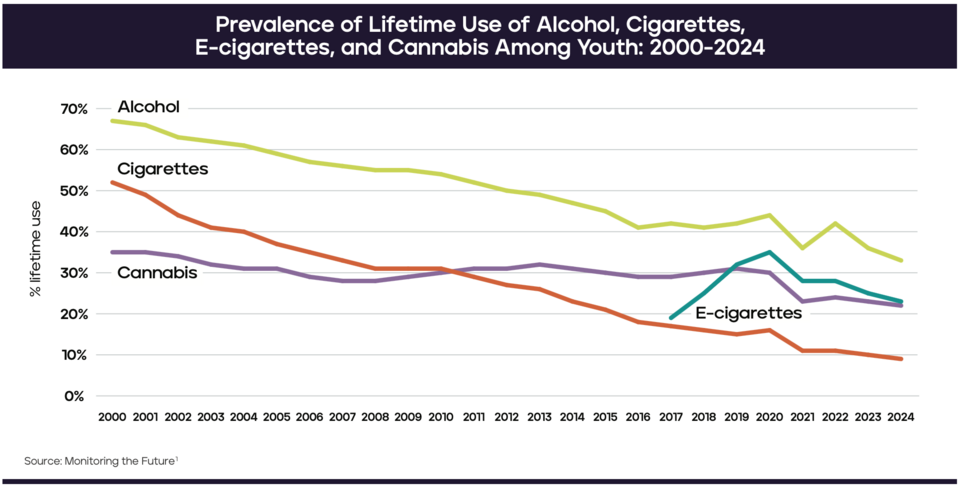
Drug use has always been a complex and uncomfortable conversation to have, and even tougher with teens. Yet, it’s one of the most important issues that not only affects students, but families of teens, teachers and their surrounding community. Substances also known as alcohol, marijuana, and tobacco (mostly cigarettes) are becoming more and more prevalent in today’s school life. Their presence in school raises questions about peer-pressure, decision making, teen health and education.

Alcohol lined up showcasing different kinds of booze. (Source: https://www.pexels.com/photo/assorted-wine-bottles-1283219/)
Alcohol

One of the most used and well-known substances in high school is alcohol. Alcohol is popular for its “party” vibe, which makes it more fun and appealing to teenagers. Alcohol is known for its behavior-altering side effects and how it “takes control of the brain”. Teenagers may drink alcohol to feel nothing, to have a sense of comfort, and/or to feel the “out of it” type of feeling. Many students encounter alcohol at parties, gatherings or even within their own homes, thinking that alcohol is safe since it’s within their own four walls. For some, drinking is associated with fitting in, and it can reduce social anxiety or provide a feeling of appearing more mature and grown-up. However, the teenage brain is still developing and creating new connections, making alcohol a bigger risk factor to interfere with memory, learning and emotional regulation. Beyond just long-term effects, immediate risks include impaired judgment, accidents, and leading to dangerous situations such as drunk driving or unsafe behavior. Senior Lauren Prestagard said, “People may act out of control, forgetting something they may be doing or lose a sense of being, acting on a straight impulse. I have seen most alcohol at the county fair or just fun get-togethers.”
Alcohol lined up showcasing different kinds of booze. (Source: https://www.pexels.com/photo/assorted-wine-bottles-1283219/)
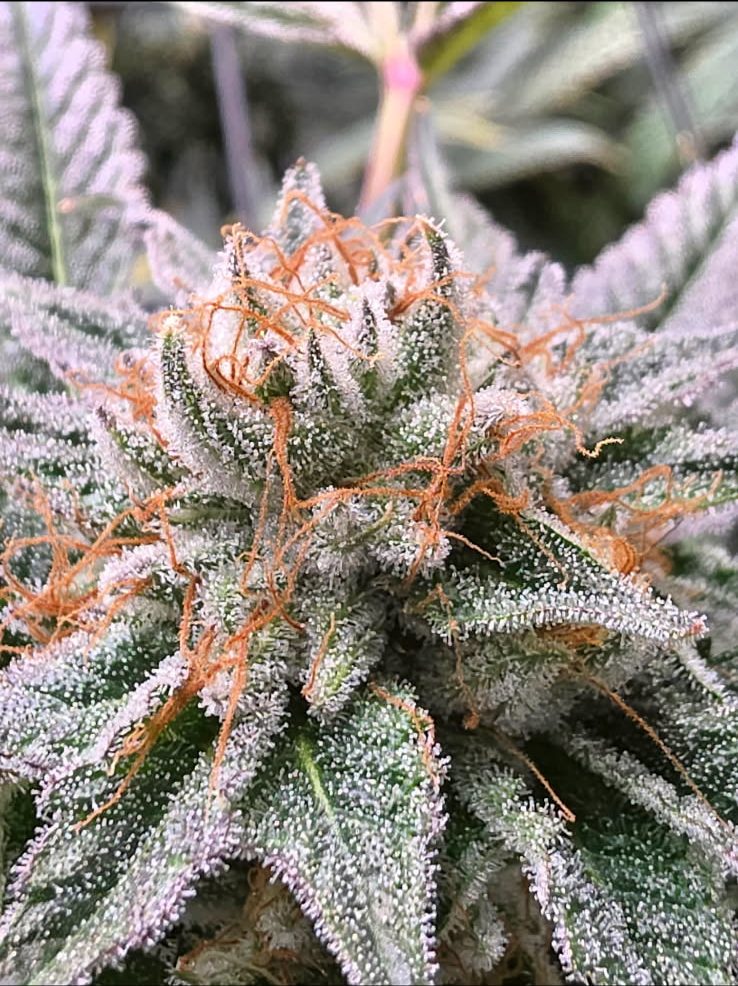
A close up image of a marijuana bud from a plant. (Sent from Anonymous source.)
Marijuana

Marijuana is another substance that has become increasingly normalized in high school, especially with the recent legalization laws and shift in cultural attitudes. Some high school students view it as “safer” than other drugs, often because it is used medicinally for some adults. While marijuana may not carry the same risks as harder and more “serious” drugs, it is not without consequences. Regular use during adolescence has been linked to difficulties with attention, motivation and academic performance. There is also the risk of dependency, as well as potential mental health impacts, particularly for those already vulnerable to anxiety or depression. Senior Maddie Pierce said, “People may use marijuana to ‘escape’ from depressing ideas or thoughts.”



A close up image of a marijuana bud from a plant. (Sent from Anonymous source.)
A photo showing cigerattes bundled up together. (Source: https://talktofrank.com/drug/tobacco)
Tobacco

Cigarette use among high school–aged teenagers remains a significant public health concern, even though rates have declined in recent years. Many teens experiment with smoking due to peer pressure, stress, curiosity, or the influence of media and family habits. Nicotine, the addictive substance in cigarettes, can quickly lead to dependence, making it difficult for young users to quit once they start. Early cigarette use is also linked to long-term health risks, including respiratory problems and an increased likelihood of developing diseases such as lung cancer and heart disease later in life. Schools and communities often address this issue through education programs and prevention campaigns aimed at helping teens understand the risks and make healthier choices. Senior Layla Motl said, “I could never pick up a cigarette; they have never looked appealing to me.”


A photo showing cigerattes bundled up together. (Source: https://talktofrank.com/drug/tobacco)
Why?

But why do teens pick up the bottle or light up a joint in the first place? A key factor driving drug use in high school is peer pressure. Adolescence is a time when social belonging is especially important and the desire to fit in can lead students to try substances they might otherwise avoid. Peer pressure is not always direct; it can be subtle, stemming from a desire to match the behavior of friends or to avoid feeling excluded. At the same time, not all students who are exposed to drugs choose to use them. Personal values, family support and access to accurate information all play a role in shaping decisions.

Another important reason teens turn to drugs and alcohol is stress. High school students often face academic pressure, social challenges, and uncertainty about the future. For some, drugs and alcohol become a way to cope or escape reality. While these substances may provide temporary relief, they do not address underlying issues or stressors and can ultimately make stress and mental health problems worse. Developing healthier coping strategies, such as exercise, creative activities, or talking to trusted individuals, is extremely helpful. Junior Tristan Purscell said, “You’re just risking your whole life for almost no benefit; find something that occupies your time.” 


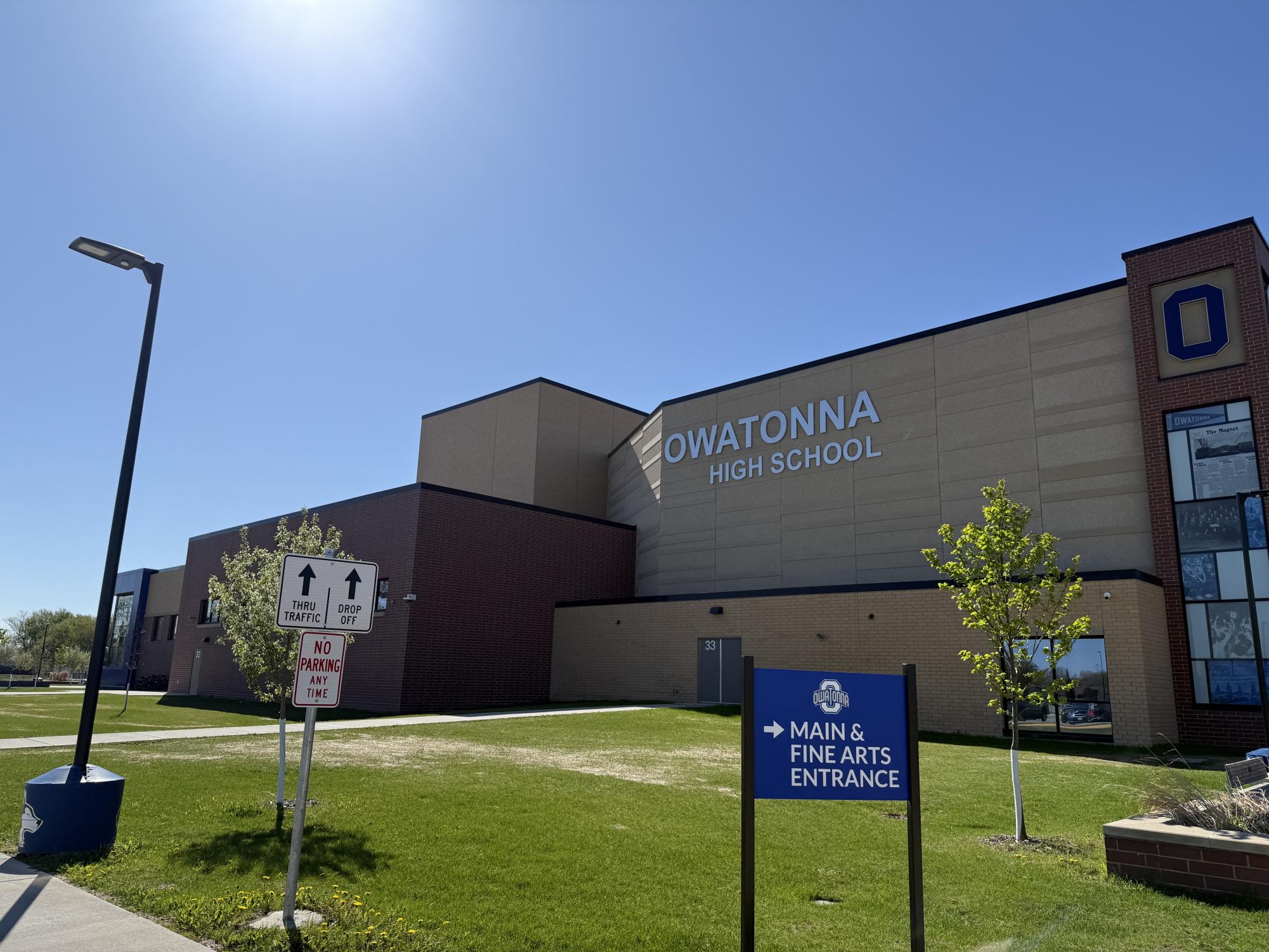
A image showing off Owatonna High School.
Education

Education about drug use and how it affects adolescents is often a central strategy in addressing the issue, but its effectiveness depends on how it is delivered and taught. Programs that rely solely on fear-based messaging may fail to resonate with students and don’t make them feel heard, especially if they perceive the information as exaggerated or unrealistic. In contrast, approaches that provide honest, balanced, and nurturing information tend to be more impactful. When students understand both the risks and the reasons why people may use harmful substances, they are better equipped to make informed decisions.

Parental and community involvement also play a significant role. Open communication between parents and teenagers can create an environment where questions and concerns can be discussed without judgment. When students feel supported rather than punished, they may be more likely to seek help or avoid risky behaviors. Schools, too, can contribute by fostering a positive environment, offering counseling services, and promoting activities that provide a sense of belonging and purpose. Senior Andrew Beaver said, “The smell of weed around the school makes my stomach sick and I don’t think people need drugs to get through a school day.” 


A image showing off Owatonna High School. (Morgan Hougas)
Addiction

It is also important to recognize that not all drug use leads to addiction or long-term harm, but the risks are higher during adolescence, since connections are essential during this point of life. Early exposure increases the likelihood of developing substance use problems later in life. Additionally, because teenagers are still developing physically and emotionally, they may be less equipped to handle the consequences of substance use. Sophomore Claire Williams said, “The school counselors here at OHS are super caring and helpful to talk to, and it really makes you feel seen.” 

Ultimately, addressing drug use in high school requires a balanced perspective. It is not simply a matter of labeling substances as “good” or “bad,” but rather understanding the broader context in which decisions are made. By focusing on education, communication, and support, it is possible to reduce harm and empower students to make healthier choices. The goal is not just to prevent drug use entirely, which is an outcome that may not always be realistic, but a hopeful one. One method to combat teens using drugs is to try to understand the reasons for their experimental behaviors with drugs, which, unfortunately, could one day lead to addiction.  

Owatonna High School social studies teacher Mr. Joel Tornell said, “Seek help, it’s hard to beat an addiction by yourself. Find new friends who want to help you.” 

If you know someone who is struggling with drugs or alcohol, there are many ways to support them, such as talking to a counselor or asking a teacher for help.