(Kayf Ali)
At first, rock, paper, scissors seems like the most basic game ever. It is quick, easy and usually used to settle small decisions like who goes first. But here’s the thing, this simple game is actually more competitive and strategic than most people probably realize.
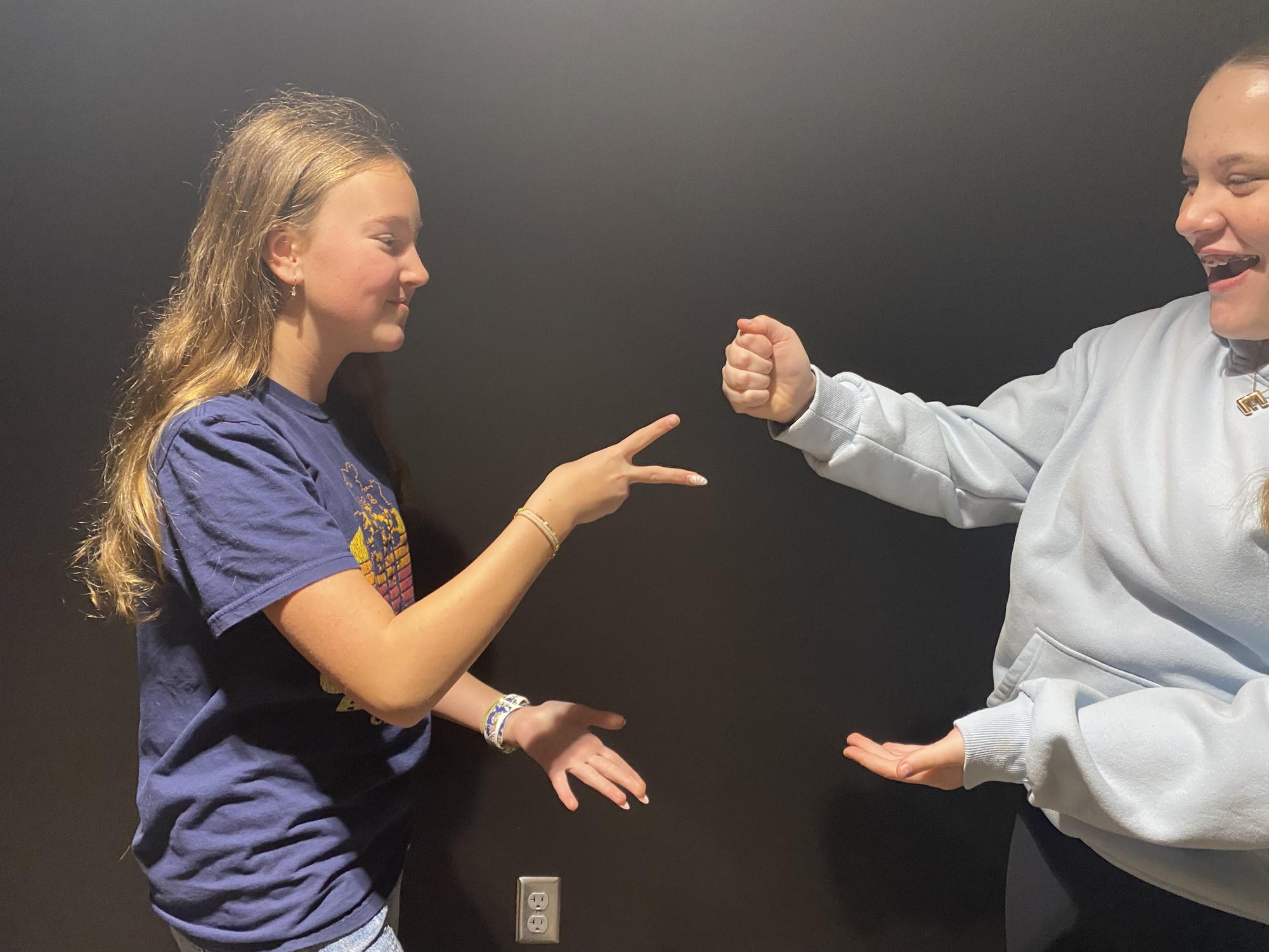
Freshman Emily Reseland states, “I don’t play it very often, but I play it to settle disputes.”
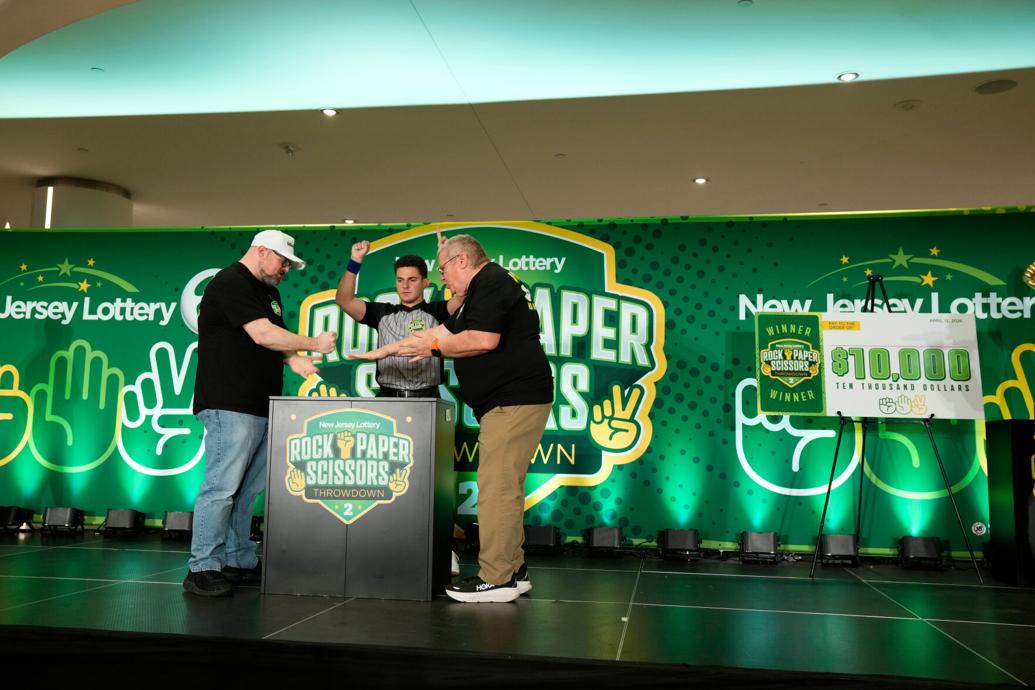
There are real competitions for rock, paper, scissors. Groups like the World Rock Paper Scissors Society host tournaments where people compete for titles and even cash prizes. That alone shows the game is not just random fun, it is something people take seriously. In fact, a recent inside a three day $10,000 dollar rock, paper, scissors tournament by NPR described a three day tournament where players competed for a $10,000 prize, showing how intense and high stakes the game can get.
(Charles Sykes )
What makes it interesting is that it is not all luck. Studies have shown that people don’t actually play randomly. According to ars TECHNICA, players often follow patterns without realizing it. “if a player wins over her opponent in one play, her probability of repeating the same action in the next play is considerably higher than her probabilities of shifting actions.” That means if you pay attention, you can predict what someone might do next.
The NPR article also shows how competitors use strategy and psychology. Some players even try to mess with their opponents before the game starts. One competitor wore a shirt that said “don’t throw rock” to confuse others, showing that mind games can be just as important as the moves themselves.
Think about it at school. How many times have you or your friends started with rock? Probably a lot. That’s because people connect rock with strength or confidence. Competitive players know this and use it against others. They watch habits, notice patterns and try to stay unpredictable.
Senior Grace Lu said, “I would say it’s definitely luck especially if you’re playing a new person, but then after a certain point it’s skill because you have to be observant enough to know what moves they are going to make”.
So should one start taking rock, paper, scissors more seriously? Maybe not to the point where people are practicing it like a professional sport, but it does show something important. According to the NPR article it shows this clearly through competitors like Julio Rvera, who said, “I was going with my heart and I’m just relieved this is over.” Even at a $10,000 tournament, the winner still relied on instinct, showing how pressure and unpredictability play a big role in the game.
In a way, rock, paper, scissors is a small example of real competition. It combines psychology, decision making and chance, similar to what happens in larger sports and games. Even in high pressure environments like a $10,000 dollar tournament, players rely on both instinct and strategy to move forward. Simple games like rock, paper, scissors can reveal patterns in human behavior and decision making.