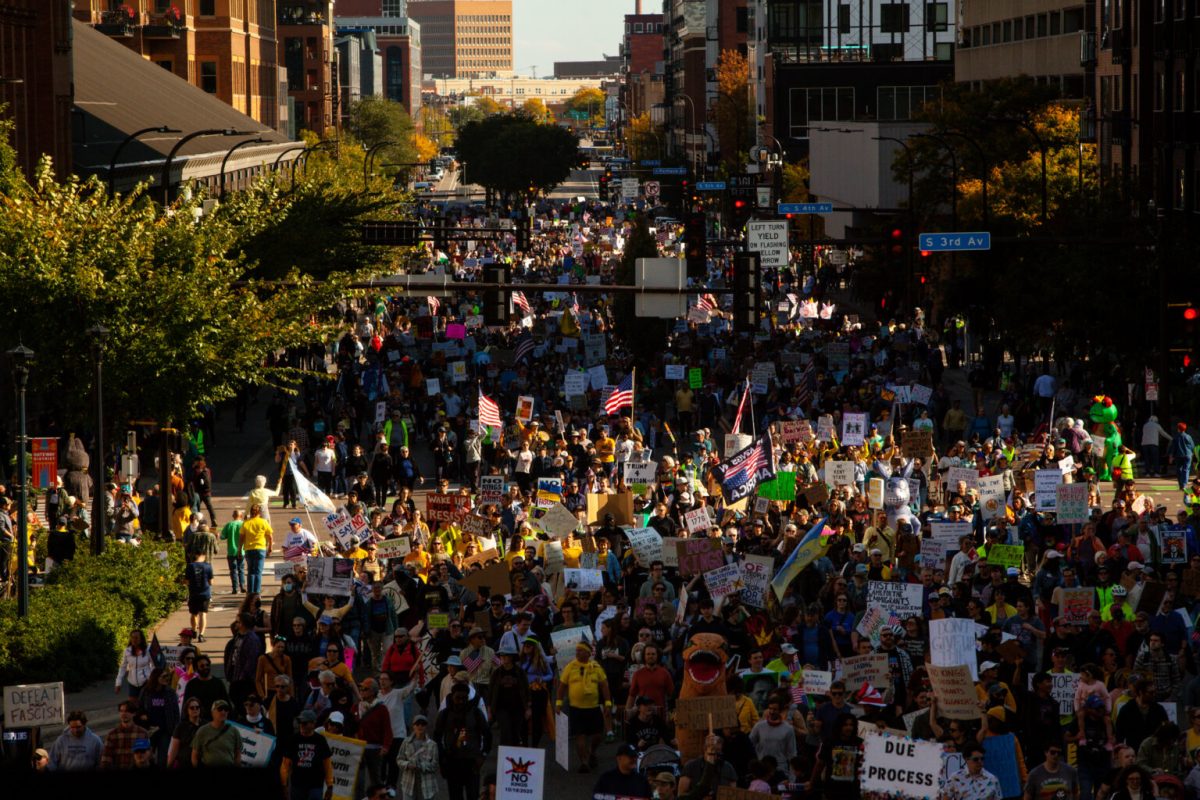
Hundreds of protesters gathered in Washington, D.C. this week for a nationwide demonstration called the “No School, No Work, No Shopping” protest. The event encouraged students, workers, and consumers to stay home for just one day to send a message about economic inequality, rising living costs, and political frustration across the country, and how many people are truly affected. Organizers said the protest was designed to show how much everyday people contribute to society and the economy.
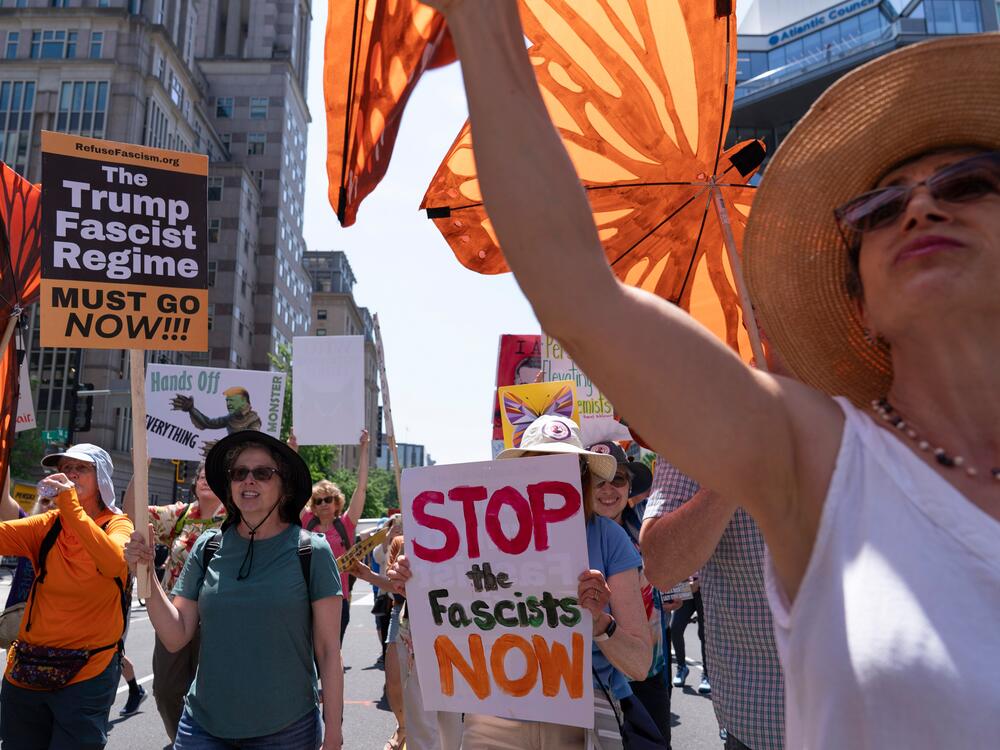
The demonstration drew large crowds near the National Mall and other public areas throughout the city of Washington DC. Protesters carried signs demanding changes in areas such as education costs, wages, healthcare, and housing affordability. Many participants believed that refusing to attend school, work, or shopping centers for a single day would help bring attention to issues they feel are often ignored by lawmakers and large corporations.
Students from colleges and high schools joined workers from different industries, creating a diverse crowd of participants. Some people marched peacefully while others listened to speeches from community leaders and activists. Social media also played a major role in organizing the protest, with hashtags spreading quickly online and encouraging people in other cities to participate as well.
Not everyone supported the movement. ProPublica states that critics argued that missing school or work could hurt businesses, students, and employees more than it would influence government leaders. Others questioned whether a one-day boycott could create lasting change. However, supporters believed the protest successfully started conversations about the financial struggles faced by many Americans.
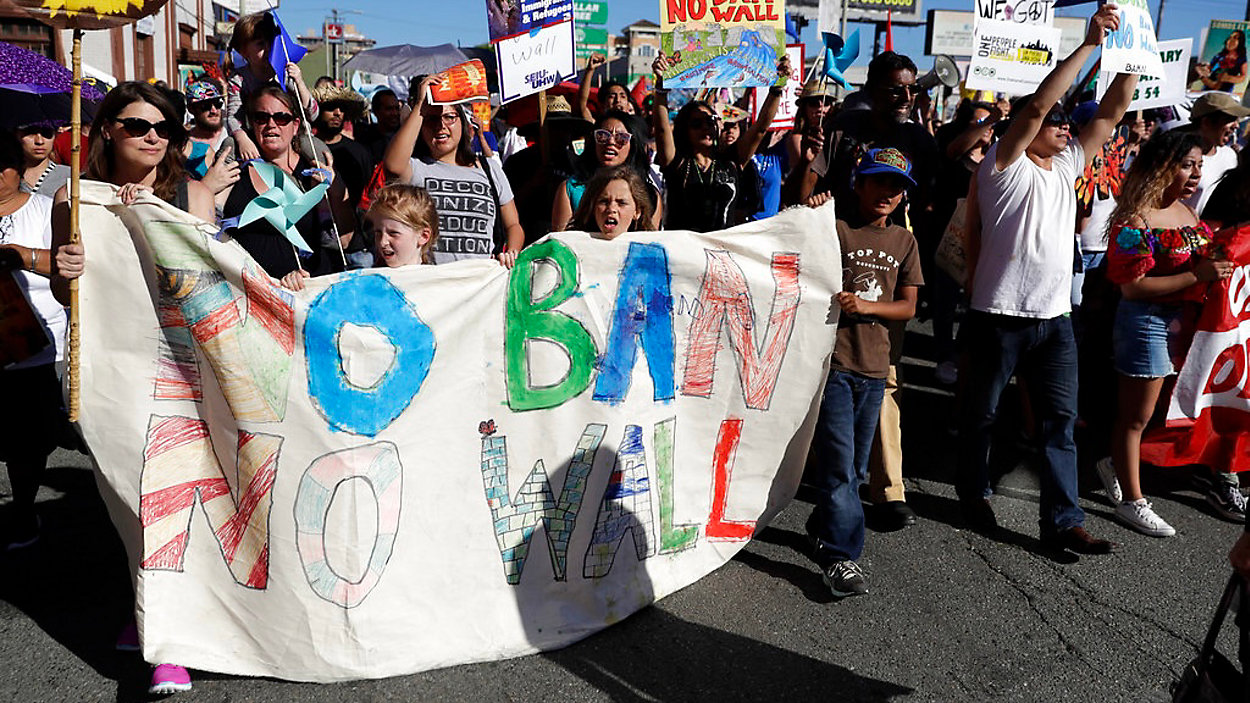
Police in Washington, D.C. reported that the event remained mostly peaceful, with officers monitoring crowds to ensure safety and direct traffic around busy areas. By the end of the day, organizers called the protest a success and said they hope to continue similar demonstrations in the future.
The “No School, No Work, No Shopping” protest highlighted growing concerns among Americans about economic pressure and social issues. Whether or not the movement leads to major political change, it demonstrates the power of collective action and the willingness of many people to speak out about the challenges they face every day.