


On October 2, 1976, three young men met to discuss a brilliant, new idea that would come to shake the world: a brand new way of being able to attend live events; computerized ticketing, fit for all sorts of happenings. Nineteen years later, those same men met again with another new idea, something that would take the world by storm: online ticketing.
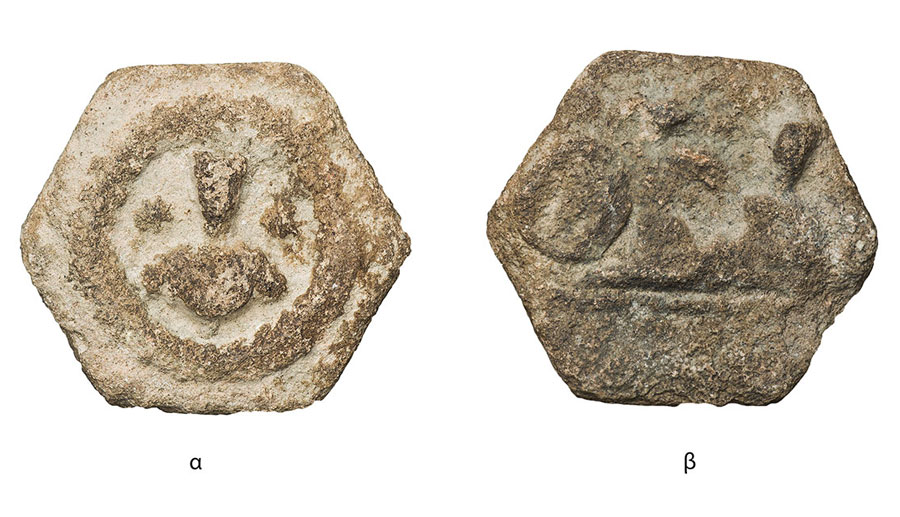
The first evidence of ticketing for a performance dates back to Ancient Rome, where citizens used cards/tesserae to guarantee access to theater performances, gladiator games and chariot races. The tesserae -small pieces of clay or metal- were a way the event holders could monitor expected attendance. On these cards, it contained the entrance as well as the designated seat, making it simple to enter and find a place to sit.
Jumping to the late 19th century, there was an innovation, one that seemed simpler: paper tickets. These small, thin pieces of paper were mass-produced at box offices; where one could pay to attend an event and gain access into their desired location; whether it was for train rides, entertainment and/or political events.

In the 20th century; computerized/online ticketing emerged from the collaboration of two Arizona State University staff, Peter Gadwa and Albert Leffler, along with business man Gordon Gunn III. Since ticketing was often labor-intensive in the past, the three men hoped to improve the system by creating a faster, more secure way of doing things. These individuals saw an opportunity to improve the system and took it. This is how the modern-day ticketing company Ticketmaster will achieve global success.
When most people plan to attend concerts or live events, they get their tickets through platforms such as StubHub, SeatGeek, Live Nation Entertainment and the biggest one of them all: Ticketmaster.
Originally two separate companies –Live Nation Entertainment and Ticketmaster Entertainment– joined forces on Jan. 25, 2010, creating a merged company under the name Live Nation Entertainment; while still continuing to operate both apps -Live Nation and Ticketmaster- separately.
Ticketmaster dominated the ticketing industry. Their platform reached 21 million app users by the end of 2015. Ten years later there were approximately 30 million active users. However, even though Ticketmaster was the leading ticketing platform for over a century, the company was beginning to face lots of backlash and criticism for the “processing fees” automatically applied at checkout. These fees were typically 15-25% of the ticket value, sometimes reaching hundreds of dollars just for processing fees.
These fees later triggered a private, federal investigation into the company.
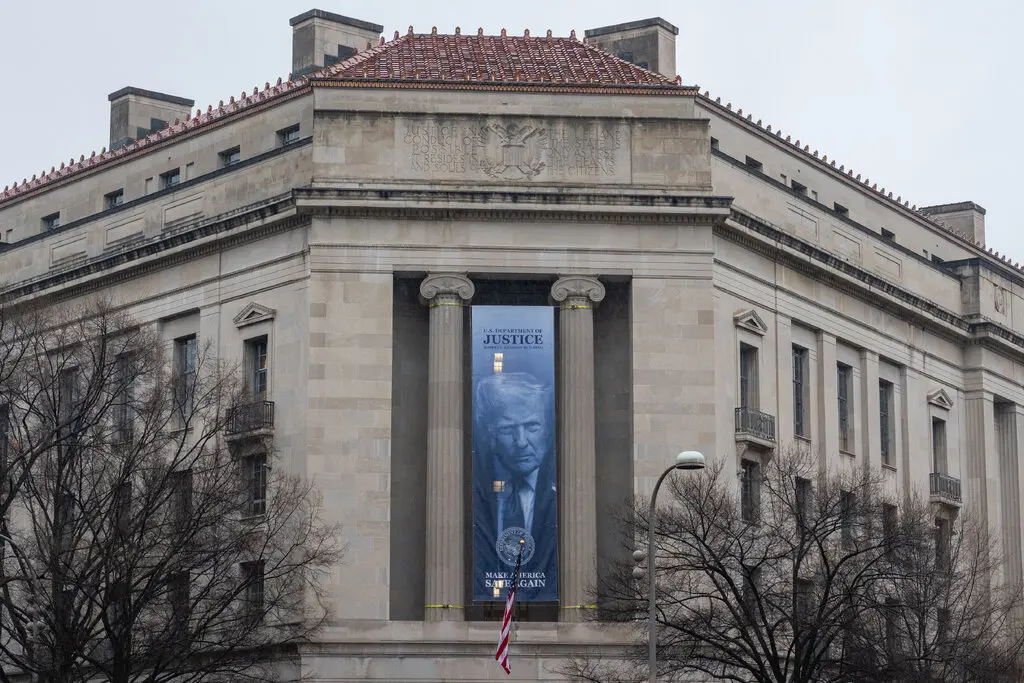
In November of 2022, the U.S. Department of Justice launched an investigation into Ticketmaster after Taylor Swift’s Eras Tour tickets went on sale. Fans of the artist were fumed by not only high ticket prices, but also the extremely pricey processing fees. These fees could get into the hundreds and thousands of dollars, making it unaffordable for many to attend the concert.
Some Ticketmaster users took to TikTok to express their annoyance towards the company. One user said, “I want a FAT refund for all the up charge and stupid fees I’ve had to pay!” Another user stated, “Ticketmaster charges you a fee to resell your ticket, and then charges a fee to the person that buys your ticket. Wild”.
Another instance that angered fans was prompted by internal price gouging statements made between Ben Baker, head of ticketing, and Jeff Weinhold, senior director of ticketing. These messages were released by President Donald Trump’s Department of Justice in court on March 11, 2026. The pair sent messages to each other stating, “robbing them blind baby that’s how we do it” and responding with a simple “lol”. Another message sent between the two was when Baker bluntly stated, “I gouge them on ancil prices”, with Weinhold responding with “preferred seating baby”. These messages reveal the company has a history of price gouging, joking about increasing prices while exploiting fans.
While this case primarily affects the consumer, it goes beyond just the fans.
In 1890, in the United States, the Department of Justice had begun to federally enforce laws prohibiting monopolies to exist. The Antitrust Laws mainly consisting of The Sherman Antitrust Act and The Clayton Act, work to prevent illegal monopolies from forming. Monopolies, meaning exclusive possession or control, are acts used by a sole company to profit-maximize. As there are no other companies to get that one specific thing the consumer desires, they turn to the monopolistic firm, paying a high price in order to gain that item. Monopolies in turn, exploit consumers in order to gain profit.
As of April 15, 2026, a jury found Live Nation Entertainment guilty of operating an illegal monopoly. This verdict prompted the company to pay millions in fines and damages across 30+ states. The states who filed this lawsuit include: Connecticut, Minnesota, New York and many more.
Ticketmaster is still expected to continue operations as of May 25, 2026.